
Despite there being a wealth of information on the internet, sometimes you can’t beat having a good book to guide you through careers exploration and self-development, as well as the changes that are happening in your life. Here are some great recommendations. Save your pennies by checking with your school/college library, your careers adviser, or nearest public library to see if they have copies that you can borrow. You might even find them in eBook or audiobook format.

The Bonkers Book of Jobs, by John Ambrose and Mark Wilkinson, is a fun first read for students aged 9-13, who are starting to explore different careers. There are lots of unusual examples to spark imagination plus quizzes and activities that you can try at home or school.
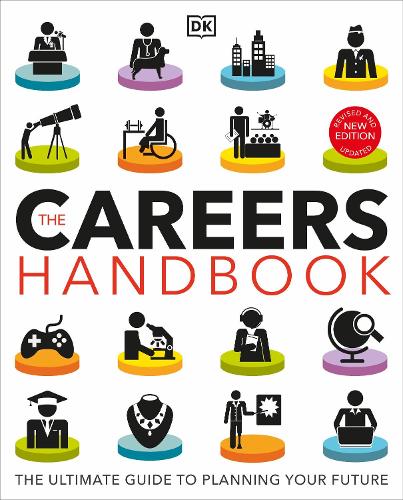
The Careers Handbook: The Ultimate Guide to Planning your Future is an easily digestible guide and a helpful accompaniment to the wide range of resources on the internet. With engaging graphics and a colourful and accessible layout, this is one of those books that is a delight to browse and absorb the inspiration, especially for engaging careers conversations at home.
Be a Young Entrepreneur, by Adam Sutherland, is aimed at younger readers from 9-12, who are curious about what it takes to create a business.
The Young Entrepreneur, by Swish Goswami and Quinn Underwood, is written for college and university students who are interested in starting a business while continuing with their studies.

Is your school lying to you?, by Edd Williams, is a controversially titled book, with an even more controversial premise about modern careers guidance. However, beyond its attention-grabbing title it’s a brilliant read and popular with teens who want to explore their potential, with sound advice from a recruitment consultant about career planning, critical skills, preparedness and decision-making.
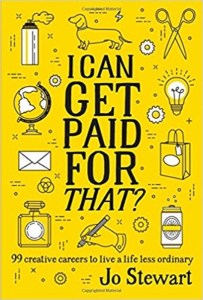
I Can Get Paid for That?, by Jo Stewart, is a real conversation starter, no matter what your age. It’s one of those books that prompts laughter. grimaces, disbelief and helps to develop career curiosity.
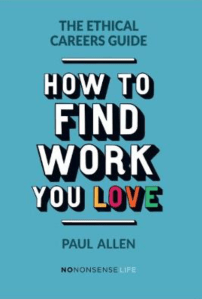
The Ethical Careers Guide, by Paul Allen, brings an insight into how to explore career paths that match your values and morals, shining a spotlight on what meaningful work might mean to you.
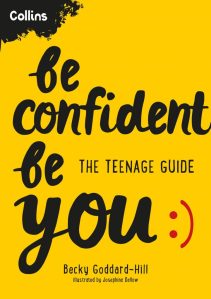
Be Confident Be You, by Becky Goddard-Hill, is the latest in her growing series of self-help books for teenagers. If you need a confidence boost, including revving up your motivation, this book will provide easy-to-follow suggestions along with the science behind how your feelings are quite normal.
If you like the style of this book, it is also worth exploring Be Happy Be You by Becky and co-author Penny Alexander,
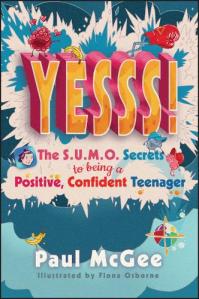
Yesss! The S.U.M.O Secrets to being a Positive, Confident Teenager, by Paul McGee, Also known as the SUMO guy, Paul McGee provides strategies for teenagers to take responsibility for their own decisions, build a more positive mindset and healthy self image. The book also guides readers to learn how to feel OK about not being OK and discover how to tackle and bounce back from setbacks, creating and aspiring to goals. – Recommended by Katherine Jennick from What’s Your Strength
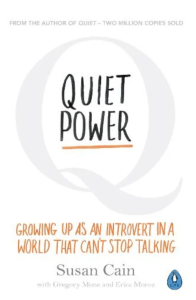
Quiet Power: growing up as an introvert in a world that can’t stop talking, by Susan Cain, feels a revolutionary and uplifting read for more introverted teenagers who find it hard to find their place in this noisy world. It’s a must for introverts and extroverts alike, with confidence building tools, understanding and celebration of young people who are gifted with skills that they might not even be aware of that accompany their quiet superpower.
For more mature students or parents/carers who are also introverts, Susan Cain’s original book Quiet, is another great read.
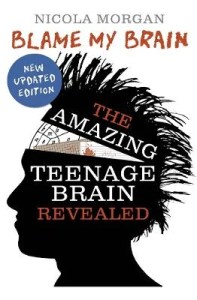
Blame My Brain: The Amazing Teenage Brain Revealed, by Nicola Morgan, is a revelation for teenagers and parents & careers. It breaks down a popular narrative that teens are lazy and instead highlights how the brain is going through one of the most radical changes since they were toddlers. Written with humour, it a great read for understanding some of the science that affects Teenager development, including the need for more sleep and taking risks. – Recommended by Katherine Jennick from What’s Your Strength.
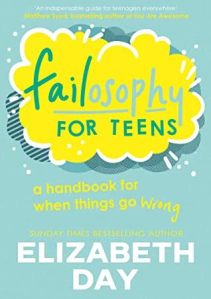
Failosophy for Teens, by Elizabeth Day, helps readers to better understand their reactions to failure, highlighting how failure is normal and how it can contribute to future success. Examples include struggles with exams and also friendships, changing the way we learn to cope with situations that don’t go our way.
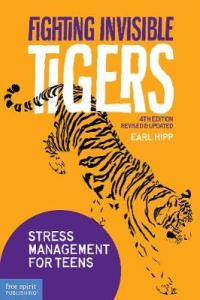
Fighting Invisible Tigers: Stress Management for Teens, by Earl Hipp, focuses on the everyday ‘stressors’ including school, friendships and social media. Earl Hipp provides advice on stress reduction, reducing anxiety and risky behaviours, plus lots more. – Recommended by Katherine Jennick from What’s Your Strength?
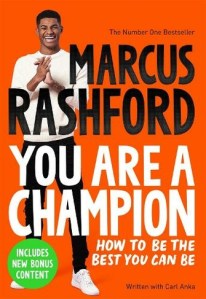
You are a Champion, by Marcus Rashford and Carl Anka, is like having a personal coach guiding you to achieve your best in life. The book’s full title is Unlock you potential, find your voice and be the best you can be. The easy-to-read chapters encourage you to Build your Confidence, Find your Team, Dream Big, Use your Voice, Practise like a Champion, Navigate Adversity, Be Comfortable With Who You Are and to Never Stop Learning.
If you’ve also been inspired by Marcus Rashford’s activisim, you might also like his follow up book You Can Do It: How to find your voice and make a difference.
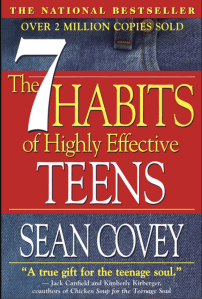
The 7 Habits of Highly Effective Teens, by Sean Covey, is a motivational workbook that focuses on the key issues that affects teenagers and the habits and strategies to overcome them.
It is also worth checking out the Miniature Edition and The 7 Habits of Highly Effective Teenager on the Go.
Reading Well for Teens
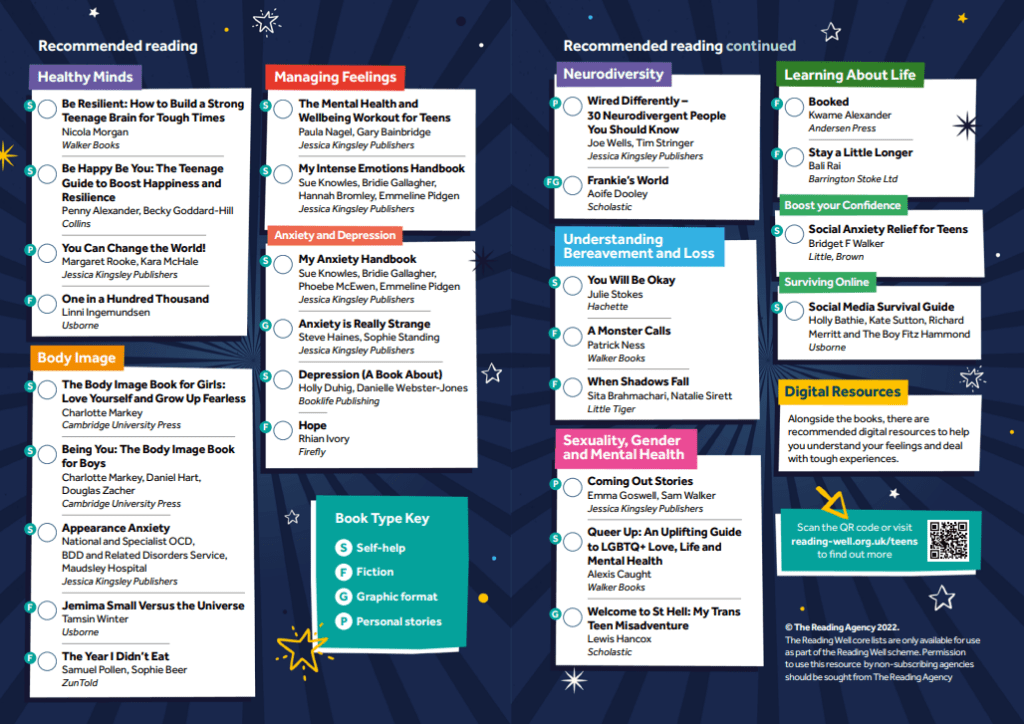
Sometimes many other worries can get in the way, making it hard to think about your future decisions when the most important thing on your mind right now may be dealing with current challenges. The Reading Agency’s website Reading Well for Teens is a great resource for finding advice on all sorts of wellbeing topics including: Healthy Minds; Managing Feelings; Anxiety & Depression; Neurodiversity; Body Image; Understanding Bereavement & Loss; Learning about Life; Boosting your Confidence; Surviving Online and understanding Sexuality; Gender Identity & Mental Health.
Find out more at: reading-well.org.uk/books/books-on-prescription/teens
All books can be borrowed from your local public library. Open the recommended reading list below in a new tab and save to your phone or print it off as a reminder of books that you might like to borrow.
 Karen Cannard, RCDP AISEP